For the Doggie Different

Your pet is in good hands with a team of professional groomers, trainers, and care takers at Paws Plaza. 1416 4th St Santa Fe, NM 87505 (505) 820-7529 http://paws-plaza.com/
Showing posts with label pets. Show all posts

Wish your dog were a better listener?

Our training philosophy:

Positive Reinforcement Training
Until recently, dog training has focused on the human-dog relationship in such terms as dominance, discipline and punishment. Dogs, like all living organisms, are just trying to get through the day accessing as many pleasant things as possible, while avoiding the unpleasant.
Gaining control of the pleasant (reinforcers) in a dog’s life is a means of behavioral control that is as effective as methods which administer pain and startle.
Dog owners are victims of the lack of correct and accessible science-based information about dogs. The range of misinformation based on some trainers’ opinions can have consumers confused and feeling desperate or frustrated.
Imagine if the same range and quality of information existed about cars. People might be told by “experts” to never change the oil, change the oil daily, or replace the oil with lemon juice!
It is little wonder why pet owners are confused. Despite this spotty history of militaristic and old fashioned training methods of the past, pet dog training and behavior counseling is coming of age through the use of positive reinforcement methods.
By providing you with the ability to more clearly understand how dogs learn, what motivates their behavior and how to trade access to all the good stuff for behaviors you expect, you can accelerate your dog’s learning.

Gear and Toys for Anxious Dogs


Luckily, there’s a plethora of toys and gear specifically created with the anxious pup in mind. Overall, harness the power of distraction, and give them a comfy, dog-designated area while you’re gone. These selections are key to creating a soothing environment.

1. ThunderShirt: Uses gentle, constant pressure to calm dogs.
2. Puzzle Toys: Perfect for keeping pups occupied while you’re out. The tricky treat ballis a particular favorite.
3. Long-lasting Chews: These chews will give your anxious dog something to focus on. Naturally-shed antler chews or a KONG with frozen peanut butter always work wonders.
4. Comfy Bed: Nothing relaxes a dog like a comfortable place to rest their head. Extra points for supportive memory foam that’s easy on the joints.
5. Dog Crate: With tons of variety and designs, you’re bound to find the perfect crate for your family. Training is a must, of course, before you implement the crate with your dog.
6. The Sentry Calming Collar: These collars release pheromones that help relax dogs and reduce their feelings of stress and fear.

Why Do Dogs Lick Their Lips?

Your dog might not have Kardashian lips, but when he licks his chops, he is likely sending a message. So just what does it mean when dogs lick their lips? There’s more to the story than meets the eye.
Dogs lick their lips for a variety of reasons:
  • Anticipation of food
  • Fear
  • Anxiety
  • Nausea, physical pain, or oral discomfort
  • An appeasement mechanism
The most obvious reason your dog might lick its lips is in anticipation of food. According to Patricia McConnell, an applied animal behaviorist, dogs generally lick to the side of the mouth when they’re expecting a meal. She adds that licking in anticipation of food can also be linked to increased salivation.
“We humans tend to do the same thing when anticipating something wonderful about to pop into our mouth,” she writes.

Lipomas And Other Canine Lumps And Bumps -Treatment

 
My choice of treatment for fatty tumors is to first stop supplementing the toxins by avoiding those mentioned above. Next, you must help your dog to remove any existing toxins and aid his body in its detoxification and healing process.

I recommend a natural diet, filtered water, no drugs, chemicals, herbicides, pesticides or vaccines on or around my patients. Treatment choices include classical homeopathy, gemmotherapy, aromatherapy, bovine colostrum, fatty acid supplementation and glandular therapy.

All of these modalities will complement the body’s healing capacity.

Remember that surgery is a suppressive treatment and will only drive the toxins and disease deeper into the patient. It should be used only as a last resort in any dog, no matter what issue you are dealing with.

10 Best Dog Breeds for First-Time Dog Owners

Welcoming a dog into your life is one of the greatest joys on earth. But with great joy comes great responsibility, especially if you’re looking to adopt a puppy. Deciding which dog is a good fit for you is a daunting task, and shouldn’t be based on looks alone. The following breeds are known for their easygoing personalities and, often, trainability. In addition to a reputable breeder, you can also adopt from breed-specific rescue groups or find wonderful mixes at shelters.
Flickr/ Sarah Peoples

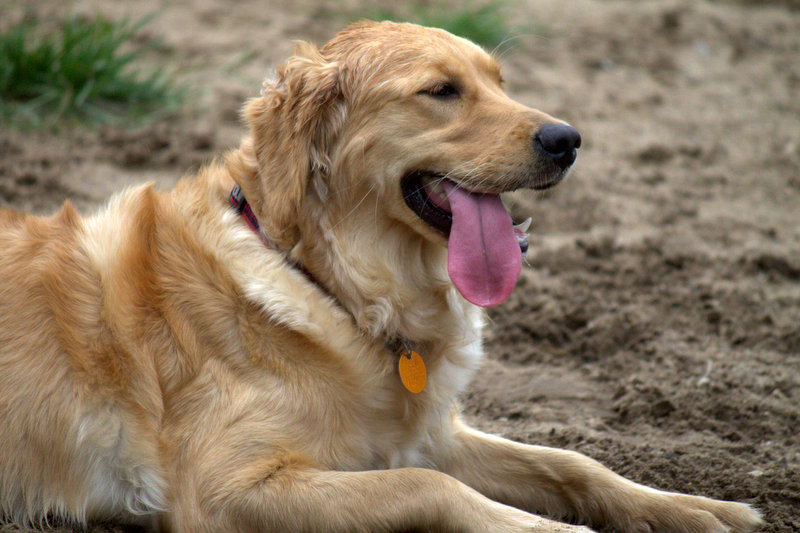
1. Golden Retriever

Golden Retrievers are one of the most popular dog breeds in the United States, and it’s no secret why! They’re adorable, affectionate, and eager to please. Their personality and intelligence make them easy to train and even easier to love. Golden retriever owners have a reputation for being absolutely obsessed with their dogs. Just look up #golden on Instagram for proof.
Flickr/ Tatu234

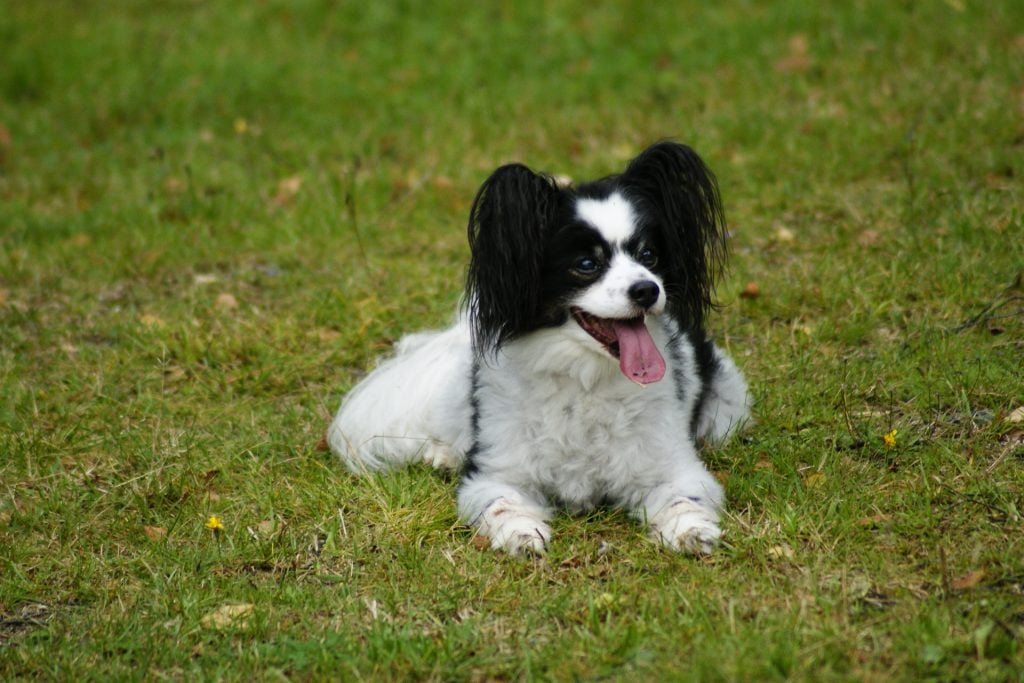
2. Papillon

Papillons have a high chill factor for such a small dog. As the number one toy breed in obedience competitions, they’re known for being highly trainable. Although their coats are quite fluffy, they’re actually easy to maintain and have minimal shedding. Papillons love children and live well into their teens, making them a great addition for families with young kids.
Flickr/ Michal Adamczyk

3. English Bulldog

Colleges all around the country want you to believe that the Bulldog is a fighter, a force to be reckoned with! This couldn’t be further from the truth. Bulldogs are some of the laziest and kindest dogs you’ll ever meet. As an extremely loyal dog, there is nothing a Bulldog loves more than their person… well, except maybe sleeping. Bulldogs are a great companion for anyone looking for a lounge-around-the-house buddy.

Dog Speak: Understanding What Your Dog is Telling You

dog_in_grass_1920x1080.jpg


Our dogs communicate with us every day! To help you get in on the conversation, we’ve created a handy list of dog sounds and what they mean. Dogs use their voices to communicate with us as well as their surroundings, and it’s helpful to get a full picture of what each sound can indicate. Don’t forget to combine this information with what you know about dog body language, and you’ll get the whole story your dog is trying to tell you.

Your Guide to Dog Vocalizations

We’ve got the scoop on barking, howling, whining, yelping, and growling. Learn what your dog is trying to tell you with each of these distinct noises.

Bark

Barking is a common sound, but what do the varieties mean? Depending on their duration and pitch, barks can be an alert, a distress signal or a friendly hello.
  • “Who’s out there?”- Alert barking is the soundtrack to the mailman’s day. If you hear your dog barking rapidly, it’s a warning that someone is entering their territory.
  • “Where are you?”- Nonstop barking can be a sign of separation anxiety. If your neighbors reach out to you because they can hear your dog barking incessantly when you’re away, your furry friend is probably a little lonely and wondering if anyone is there.
  • “Hello! I’m happy to see you”- If a dog greets you with a couple of happy barks, they’re saying hello. It may even be an invitation to play!
  • “Knock it off!”- A single short bark is a way that dogs tell others to stop what they’re doing. This can often be heard during rough play when one dog is overwhelmed.

What Are the Benefits of Having Two Dogs?


When you're not home and can't provide entertainment for your pooch, another dog in the household can be a comfort. It also can often prevent boredom and resulting behavioral issues. Although owning multiple dogs can work well for some households, it's not suitable in all situations.

Canine Companionship and Socialization

If you have a busy work schedule and spend a lot of time out of the home, having two dogs can help your peace of mind. Your dogs can play with each other, which can be effective for keeping boredom and lack of stimulation at bay. Boredom and inadequate stimulation can trigger destructive canine behaviors such as chewing, pacing, digging and excessive barking. Not only can constant companionship help prevent behavioral troubles, but it can help to eliminate or minimize separation anxiety.

Being a guardian to two dogs also can be advantageous from a socialization standpoint, particularly in the cases of younger animals. Socialization can be excellent for their emotional development. When dogs spend a lot of time around each other, it can help them learn how to deal with other animals and humans.

Times Dogs Helped You Procrastinate

Sometimes, the best way to not do something is to not do it with dogs. Be honest—if you weren’t going to do it anyway, you may as well have fun with dogs instead, right?

Dogs have been helping humans procrastinate since the great homework eating pact of 1905 was signed by undisclosed representatives of each species. This special arrangement continues to this day, and has only been fortified by the creation of technical advances such as the television and the laptop computer.

Since there’s something you probably ought to be doing right now besides reading this article, we’re pretty sure the act of opening this post counts as the 13th time dogs have helped you delay some boring chore.


Preventing Dog Escapes

dog-walker+for+website.jpg

Secure Outdoor Spaces

  • Check your fence for any holes or new escape routes.
  • Make sure all gates are closed before taking the dog outside.
  • Check on your dog frequently when she’s roaming around the yard.
  • Don’t stack furniture or firewood next to the fence—dogs can use it as a springboard.
  • If you can, dig a trench around the fence line and fill it with concrete to prevent under-the-fence escapes. If you’re unable to do so, use bricks or large rocks to block off the dirt directly below the fence.

Secure Entry Doors

  • Place a second barrier around doorways to the outside, such as an exercise pen.
  • Use a baby gate to block off the room or hall that leads to the front door.
  • When you’re coming or going, use your body to block house or car doors so a dog can’t give you the slip.
  • Put signs on the gates or doors for guests, explaining that there’s a dog inside.

Staying Safe on Walks

  • Make sure you can’t fit more than two fingers under a dog’s collar.
  • Keep your dog’s collar and tags on at all times.
  • Use a fixed-length leash instead of a flexi-lead, which can snap.
  • Try a properly-fitted harness instead of a collar to add extra security.

What to do if Your Dog Escapes

 When You Can Still See Your Dog

  • Do not run after them! Your pet may think this is a game.
  • Get low and look away, or run in the opposite direction so they can chase you.
  • Remain calm and use a welcoming tone.
  • Don’t reach over their head. This could be scary, and cause them to run again.

When Your Pet is Out of Sight

  • Keep searching on foot or in a car to cover more ground.
  • Talk to everyone you pass to ask if they’ve seen your dog, and to create awareness.
  • Recruit family members and friends for a search party.
  • Contact your local non-emergency police line to see if they can get the word out to patrolling officers.
  • Contact your local Animal Control.
  • Contact local pet hospitals, vets, dog-walking services, animal shelters, pet stores, and other pet-related businesses in your area. They’re often willing to help!
  • Create and print fliers to post around your neighborhood. Print extras to hand out to people you meet on the street.
  • Try a service such as www.lostmydoggie.com. LostMyDoggie is a website that can generate robo calls to the community to help locate a lost dog.
Fortunately, most dog escapes are easily preventable, and taking some extra precautions to keep your dog secure is a great way to avoid a frightening situation. Here’s to a safe fireworks season—and beyond!

How to Find a Vet for Your Dog


When I adopted my first dog, I had no idea how to choose a vet. How do you know what kind of practitioner is best for your particular dog? Good old fashioned word-of-mouth is the best place to start.

If you’re a dog person, chances are you know other dog people whose pet-care philosophies are in line with your own. So ask a friend about their veterinarian. (As a bonus, many vets have referral programs that can lead to discounts for you and the friend who referred you.)

If you’re in a new place where you don’t know many people, check out reviews on a site like Yelp or Angie’s List, where you can learn about other people’s experiences with veterinarians in your area, and select a few who might meet your needs.

Whether you get a referral from a friend or an online search, you’ll want to make sure the veterinary practice is accredited with the American Animal Hospital Association. The AAHA evaluates veterinary practices on standards for patient care and pain management, surgery, facilities, medical records, cleanliness, emergency services, dental care, diagnostic imaging, anesthesiology, and continuing education. While vet hospitals are not required by law to be accredited, accreditation shows a commitment to maintaining high standards of care and services.

Meet Our Trainers: Mike and Robin

Clever Canines at Paws Plaza, we all passionate about understanding the language of dogs. Our goal is to help people live happily and peacefully with our companions. Jean Donaldson, founder of the world renowned San Francisco The Academy for Dog Trainers and author of The Culture Clash and many other books is our mentor.                  


What our clients say about us:

“Let me tell you that after several months of living in fear and loneliness, I adopted a dog, Roxy. I wanted a middle-sized, adult female who was “trained.” What I got was a 60-pound adult, puppy-like female who was sweet but powerful and uncontrollably energetic. She was soooo happy to see you; she practically stood on you and if she bolted, you got whiplash. Then along came Robin! Now Roxy is a sweet, nearly perfectly behaved companion!
— Donna

dog on grass

“We were aftraid to walk our four-year-old dog, Cuba, where there was the potential to meet other dogs, because of her dog aggressive behavior. However, after some focused dog training with Robin, our dog, Cuba, can go anywhere! She also learned to walk on a leash without pulling, come when called, and stay. It has made our life with our dog more enjoyable and a lot less stressful. Now, we feel free to go for hikes and take her to the dog park. Most importantly, the sessions taught us how to communicate with Cuba so that we teach her positive behavior even when Robin is not around.”
— Andrea and Fredric

“I couldn’t have done it without her. She came to my house to show me how to train my new puppy in my own surroundings. It’s much better than a group environment. In just a few sessions, Frances Kipper was doing sit, down, stay, high five, and leave the cat alone!”
— Cheryl

Positive Reinforcement Training


Until recently, dog training has focused on the human-dog relationship in such terms as dominance, discipline and punishment. Dogs, like all living organisms, are just trying to get through the day accessing as many pleasant things as possible, while avoiding the unpleasant.

Gaining control of the pleasant (reinforcers) in a dog’s life is a means of behavioral control that is as effective as methods which administer pain and startle.

Dog owners are victims of the lack of correct and accessible science-based information about dogs. The range of misinformation based on some trainers’ opinions can have consumers confused and feeling desperate or frustrated.

Imagine if the same range and quality of information existed about cars. People might be told by “experts” to never change the oil, change the oil daily, or replace the oil with lemon juice!

It is little wonder why pet owners are confused. Despite this spotty history of militaristic and old fashioned training methods of the past, pet dog training and behavior counseling is coming of age through the use of positive reinforcement methods.

By providing you with the ability to more clearly understand how dogs learn, what motivates their behavior and how to trade access to all the good stuff for behaviors you expect, you can accelerate your dog’s learning.

Dog Overnight


Paws Plaza is your dog’s home away from home. We provide a cozy safe space where your dog is already familiar with our staff, facility, and a lot of dog friends. Bring your own bed/toys/chews and food from home and your dog won’t miss you a bit!

We only offer overnight services for our existing dog daycare students who have been to Paws Plaza for at least 3 visits prior to the overnight stay.

We want our place to be happy and stress free. Your dog already loves to visit and won’t mind staying. Please ask for a tour. We offer several types of spaces: http://goo.gl/4fujVG

Grooming for Dogs & Cats

  • State of the art grooming salon.
  • Appointments available every day except Sunday.
  • Full service grooming in about 1 hour.
  • One-on-one, customized, private session with you, your dog and the groomer.
  • Comfort your pet while we work.
  • Guide us to give your pet exactly the hair cut you like.
  • Drop in bath service from $15 and up plus tax. ANY DAY of the week (except Sunday) you can come in anytime – no appointment necessary – to have your dog bathed and/or nails trimmed. You stay and wait with your pet. Prices vary depending on size of the dog.
  • We groom cats as well!!  Brushing, bathing, de-shedding and haircuts (by appointment only).

Plenty of Love and Playtime

We punctuate your dog’s day with high energy games, cuddle, and love sessions + basic training. Basic manners training during daycare is an important part of giving dogs enrichment and challenges to figure out. We use dog friendly training methods utilizing smart modern training techniques based in the science of applied animal behavior. A home away from home, whether your dog likes nonstop action or is looking for love, they will find it here.